

Think of the main shaft as the backbone of your cone crusher. It’s the component that bears the brunt of every crushing cycle, translating raw rotational power into the massive force needed to break hard rock. Because it operates under extreme mechanical and thermal stress, getting the design and maintenance right isn't just a technicality—it’s the difference between a high-performing plant and a costly, unexpected shutdown.
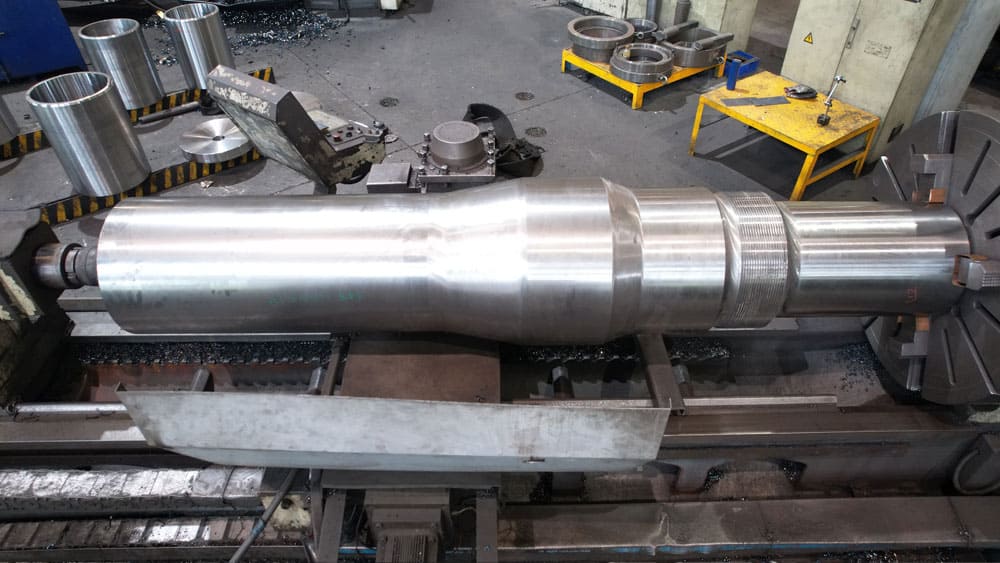
A main shaft isn’t just a solid piece of steel; it’s a precision instrument. Every section is engineered for a specific job:
These are the high-precision "contact zones." They must be flawlessly CNC-machined to seat the bearings and prevent premature friction.
This is the interface for the mantle. It’s the exact point where rotational torque is converted into raw, rock-shattering crushing force.
The drive keyway and threaded end ensure the entire assembly stays locked and slip-free, even under massive peak torque spikes.
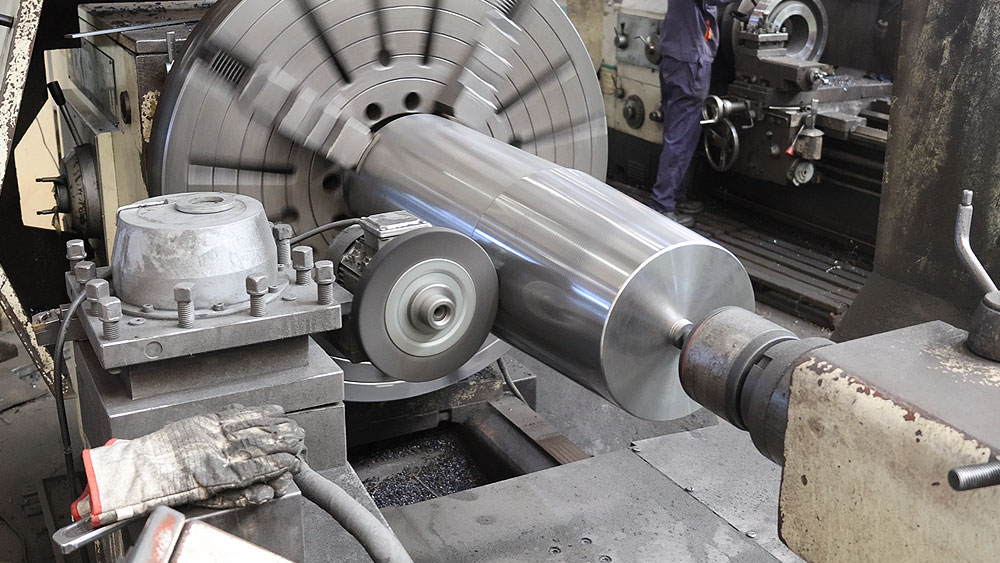
Most standard shafts are forged from 4340 or 4140 alloy steel because of their exceptional fatigue resistance. However, for harsh environments, we utilize Induction Hardening or Nitriding to toughen the surface against wear, ensuring the core remains ductile enough to handle extreme impacts without snapping.
| The Issue | Why it Happens | What to Look For |
|---|---|---|
| Bearing Seizure | Dirty oil, missed lube cycles, or extreme friction. | Overheating or a sudden jump in vibration. |
| Fatigue Cracking | Constant cyclic stress or poor original heat treatment. | Fine hairline cracks, usually near the bearing journals. |
| Stripped Threads | Over-tightening the head nut beyond torque specs. | A loose head assembly or a "walking" head nut. |
| Shear Failure | "Tramp metal" (unbreakable junk like excavator teeth) entering the chamber. | Instant stoppage or massive hydraulic torque spikes. |
If you wait for a noise to start, you’ve waited too long. Protect your investment with these structured protocols:
Every half-year, your team should measure the shaft runout (keep it strictly under 0.1 mm) and pull oil samples.
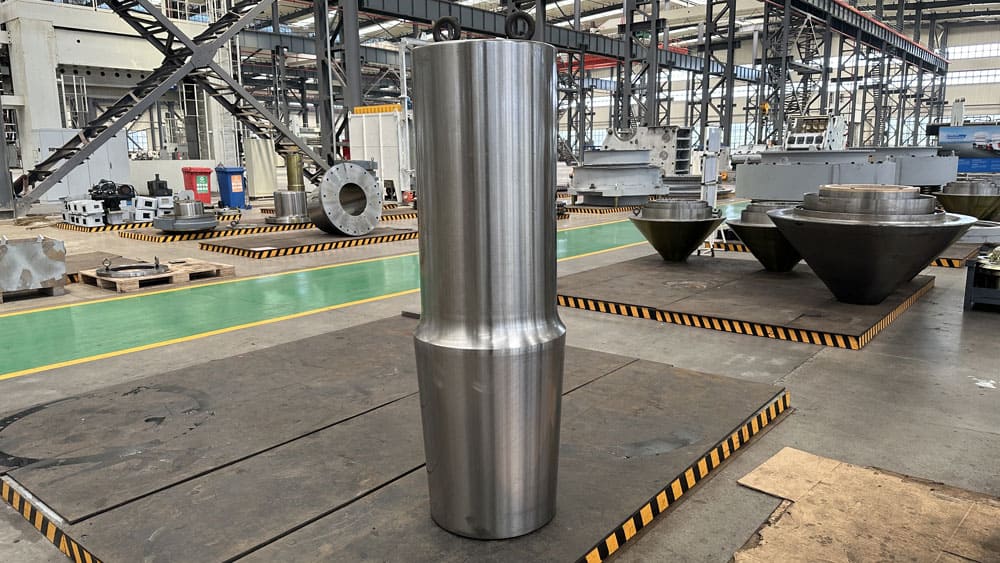
When a shaft shows wear, you have a critical financial and operational choice to make.
If you have minor scoring or journal wear, regrinding is often enough. For small, non-structural cracks, metal stitching can safely salvage the shaft. Even worn threads can be recut if the core metal is sound.
Always use induction heaters for installing bearings. Never, ever use an open flame—it destroys the temper of the alloy steel, leading to early fatigue and snapping.
The main shaft's life expectancy is dictated by the quality of the original forging and your maintenance discipline. At FGM, we provide peace of mind. Our main shafts are forged from premium 4340 alloy steel and machined to exceed OEM specs. Every unit comes with material certification and our engineering team's full support.
GET A TECHNICAL CONSULT & QUOTEEmergency:
+8618420105150Derechos de autor
© 2026 Guangzhou Future Green Machinery Co., Ltd. All Right Reserved.
 RED SOPORTADA
XML política de privacidad
RED SOPORTADA
XML política de privacidad


 Español
  English
 Español
 Português